


Support That Starts With Understanding
Families come to me with many different questions and concerns, from anxiety and behavior challenges to ADHD, autism, and learning differences. My goal is to help make sense of what’s going on and identify the right path forward.
Areas of Focus
ADHD
Autism
AuDHD
PDA (pervasive drive for autonomy)
Anxiety
OCD
Learning Disorders (dyslexia, dysgraphia, dyscalculia
Depression
Emotion regulation challenges
School avoidance
Trauma
Tics/Tourette’s
Self-esteem problems
Family conflict
Prenatal substance exposure
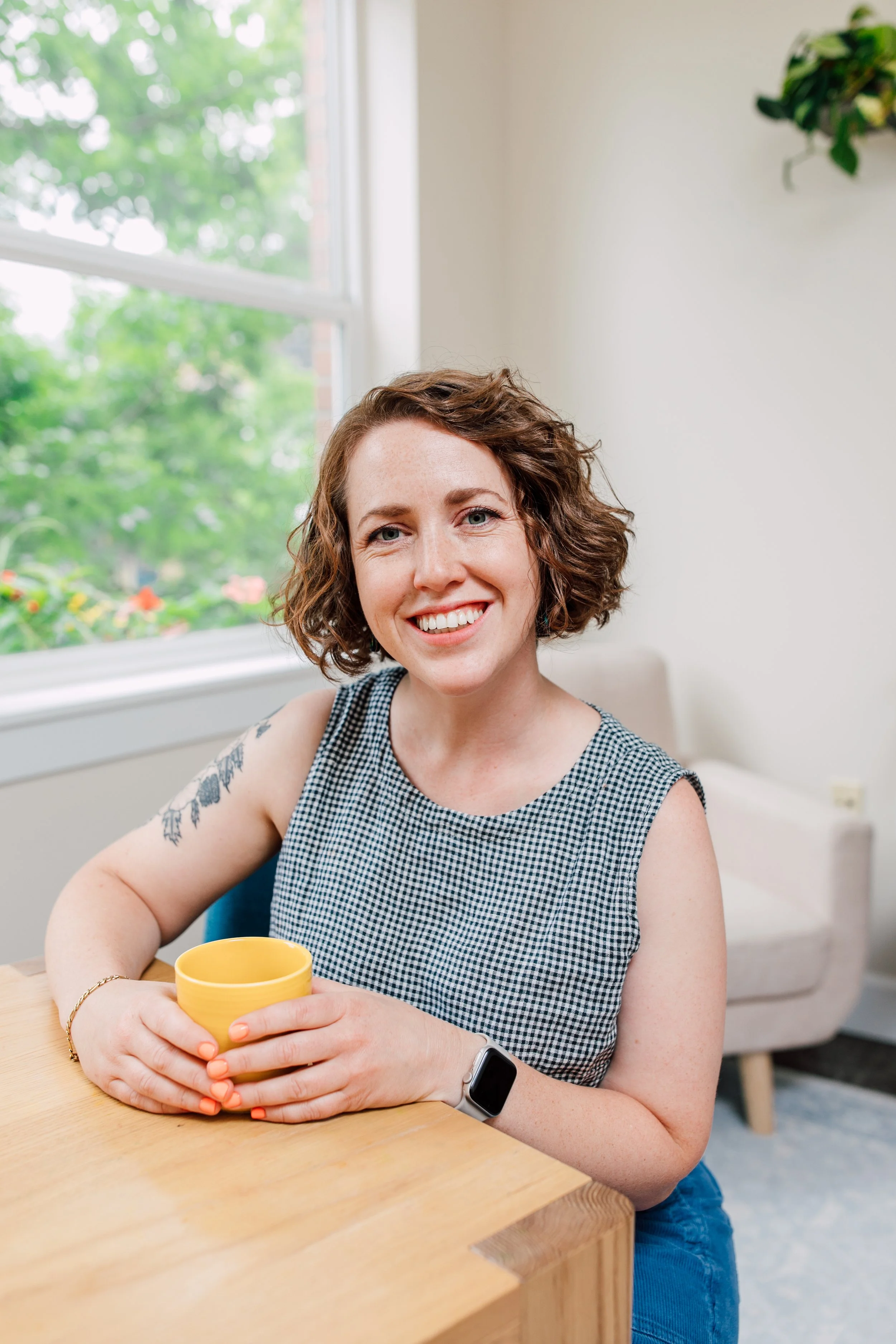
About Dr. Norman Wells
I’m a licensed psychologist specializing in child evaluations for autism spectrum disorder, ADHD, dyslexia, and other learning disorders, as well as treatment for childhood anxiety, OCD, and emotional and behavioral challenges related to neurodiversity. I earned my master’s degree in experimental psychology from Western Washington University and completed my PhD in counseling psychology at the University of Oregon, an APA-accredited program, in 2021.
Throughout my graduate training, I developed extensive experience in diagnostic evaluations and evidence-based therapies for childhood anxiety, ADHD, behavioral challenges, and autism. I’ve worked with children and their families in a variety of settings, including community clinics, a children’s hospital, and public schools. I’ve also presented research at national conferences and published peer-reviewed journal articles on topics including child development and parent-child interactions.

My Approach
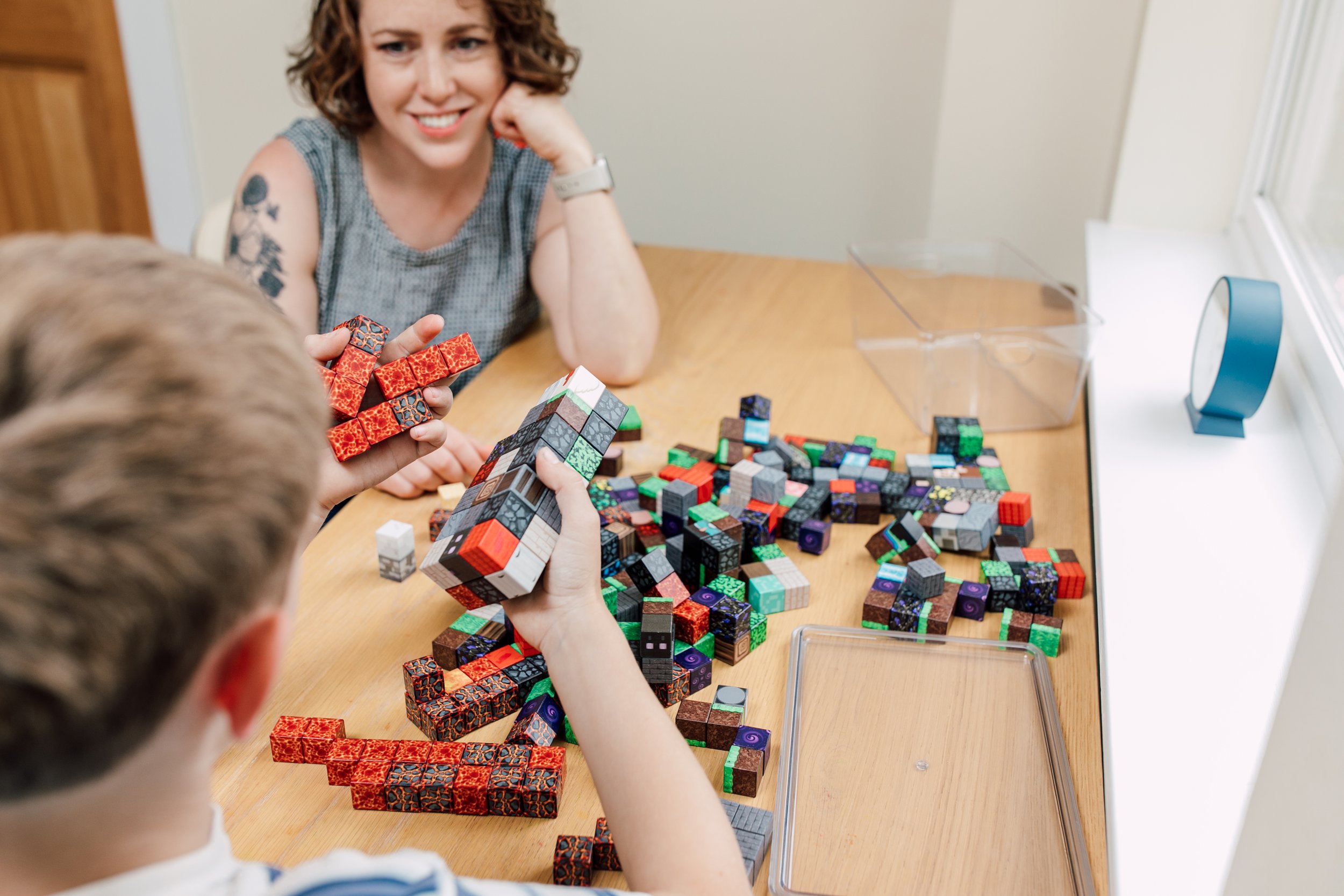
Evidence based treatments, tailored to your child and delivered through play
Neurodiversity affirming
Family involved
Skills-centered - focused on helping your child learn new skills and ways to relate to themselves and others
Balancing support and affirmation with growth and resilience
Specific intervention approaches: cognitive behavioral therapy (CBT), exposure and response prevention (ERP), dialectical behavioral therapy (DBT), family systems behavioral therapy, supportive parenting for anxious childhood emotions (SPACE), parent-child interaction therapy (PCIT)
Experience & Publications
Assessment - autism clinic at Oregon Health Sciences University (I was a trainee- think I need to include that?)
Provided Parent-Child Interaction Therapy (PCIT) and supported implementation of the CAPS intervention study at the University of Oregon Prevention Science Institute (PSI)
School-based mental health therapist - Meridian School District
Therapy and assessment as child and adolescent psychologist-Sendan center
Norman Wells, J., Skowron, E. A., Scholtes, C. M., & DeGarmo, D. S. (2020). Differential physiological sensitivity to child compliance behaviors in abusing, neglectful, and non-maltreating mothers. Development and Psychopathology, 32(2), 531–543.
Du Rocher Schudlich, T. D., Norman Wells, J., Erwin, S. E. A., & Rishor, A. (2019). Infants’ emotional security: The confluence of parental depression, interparental conflict, and parenting. Journal of Applied Developmental Psychology, 63, 42–53.
Lyons, E. R., Norman Wells, J., Scholtes, C. M., Mintz, B., Giuliano, R. J., & Skowron, E. A. (2019). Recollections of positive early caregiving relate to sympathetic nervous system activation and chronic inflammation in subsequent generations. Developmental Psychobiology, 61(2), 261–274.
Du Rocher Schudlich, T. D., Norman Wells, J., Du Nann, B., Wharton, A., Nicol, H., Dachenhausen, M., et al. (2015). Interparental conflicts in dyadic and triadic contexts: Parental depression symptoms and conflict history predict differences. Journal of Child and Family Studies, 24(4).